Placerion: Tourist Stamp Collecting Goes Digital

Challenge

A collectible hobby with no digital version

Tourists have always collected the physical proof of where they have been: magnets, coins, printed stamps, postcards. None of it has a paid digital equivalent, and once you buy the object, the relationship with the place ends. Placerion's founder saw the gap: a platform where you collect digital stamps by scanning a QR code at a real location, own them, and keep hearing from the place afterward. The real challenge was structural. The product had to work end to end as a plain digital stamp app for the mainstream collector who will never touch an NFT, while still opening into an onchain rewards layer for the small crypto-native minority who want it. The whole design question was how to keep blockchain far enough in the background that it never scares the majority off.

Our Solution

Web2-to-Web3 Collectibles Platform

Built the full platform from scratch, connecting a familiar buying flow to on-chain ownership and an opt-in rewards system.

Three-Surface Product Architecture

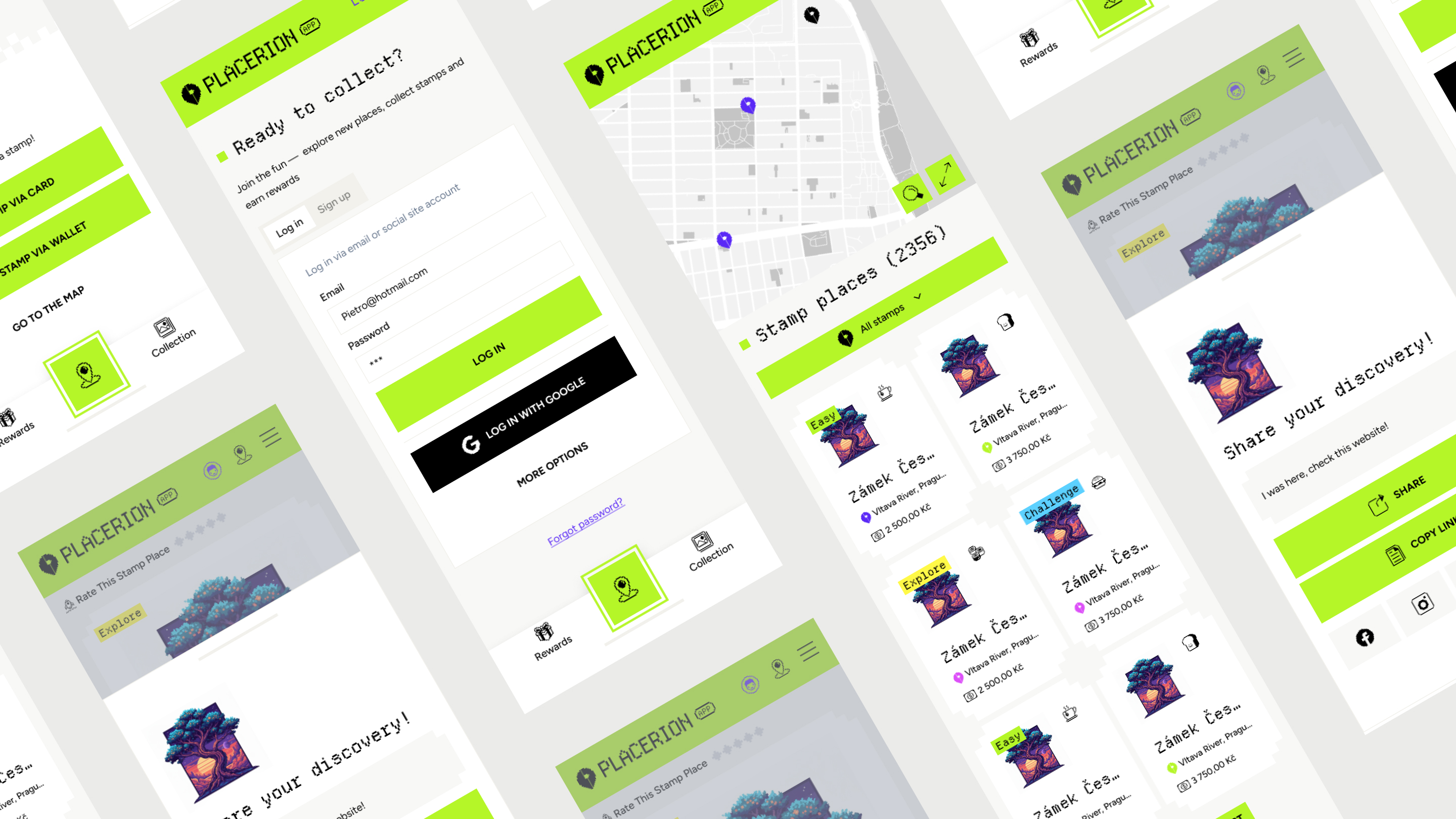
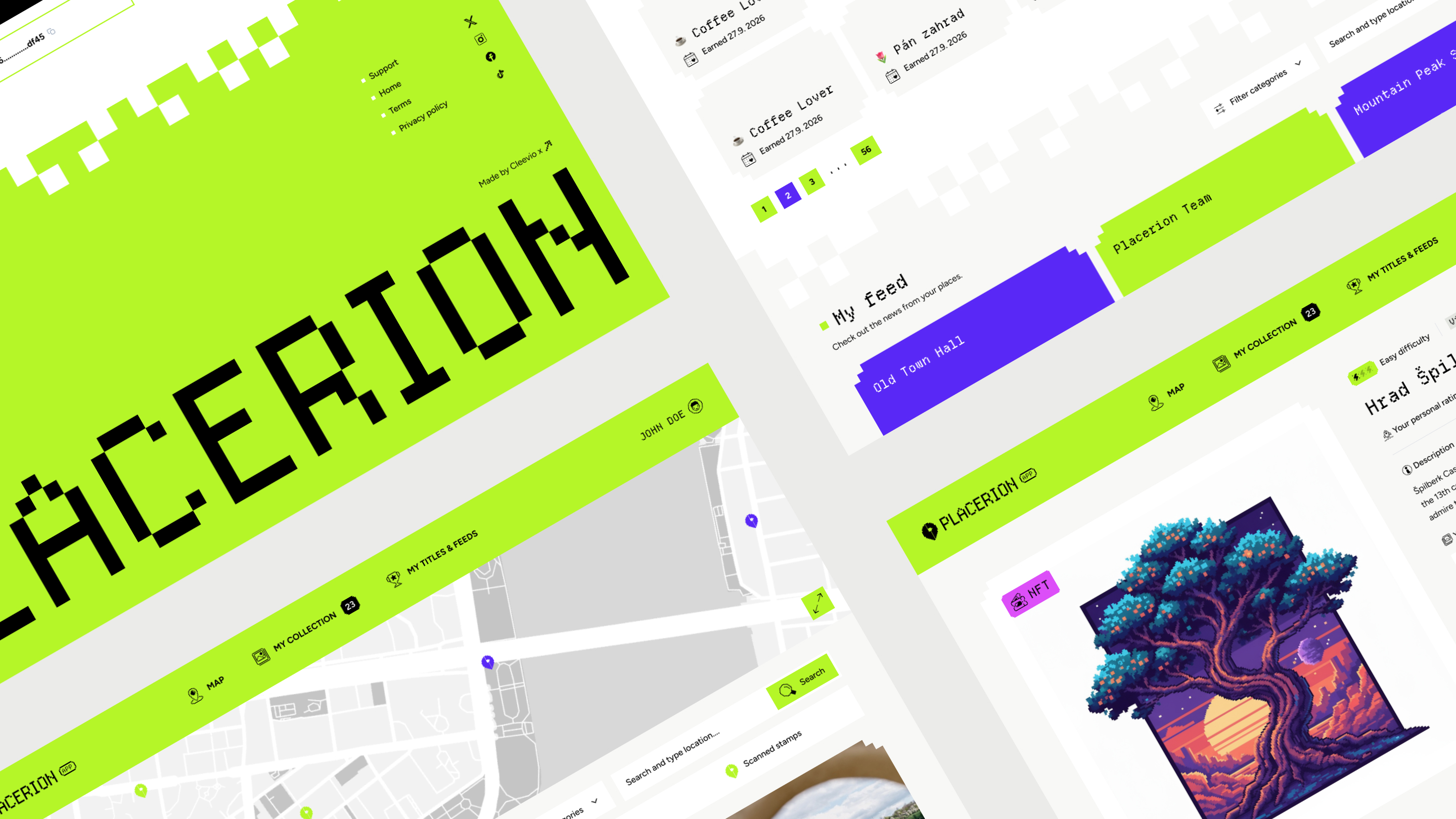
Delivered three connected applications: a collector app, a per-location admin for each place, and an operator console for the client to manage places, stamps, titles, and payouts.

Geofenced Provenance System

Implemented location verification that writes a within-500-meter proof into each minted stamp's metadata, making a forged check-in provable after the fact.

Dual-Currency Checkout

Integrated Stripe for card, Apple Pay, and Google Pay alongside Solana payments, with real-time fiat-to-SOL conversion calculated at the moment of purchase.

3

Platforms delivered (collector app, location admin, operator console)

500 m

Geofence written into stamp metadata for tamper-evident provenance

2

Checkout paths, fiat and Solana priced in real time

Deep dive

Putting Web3 in the background

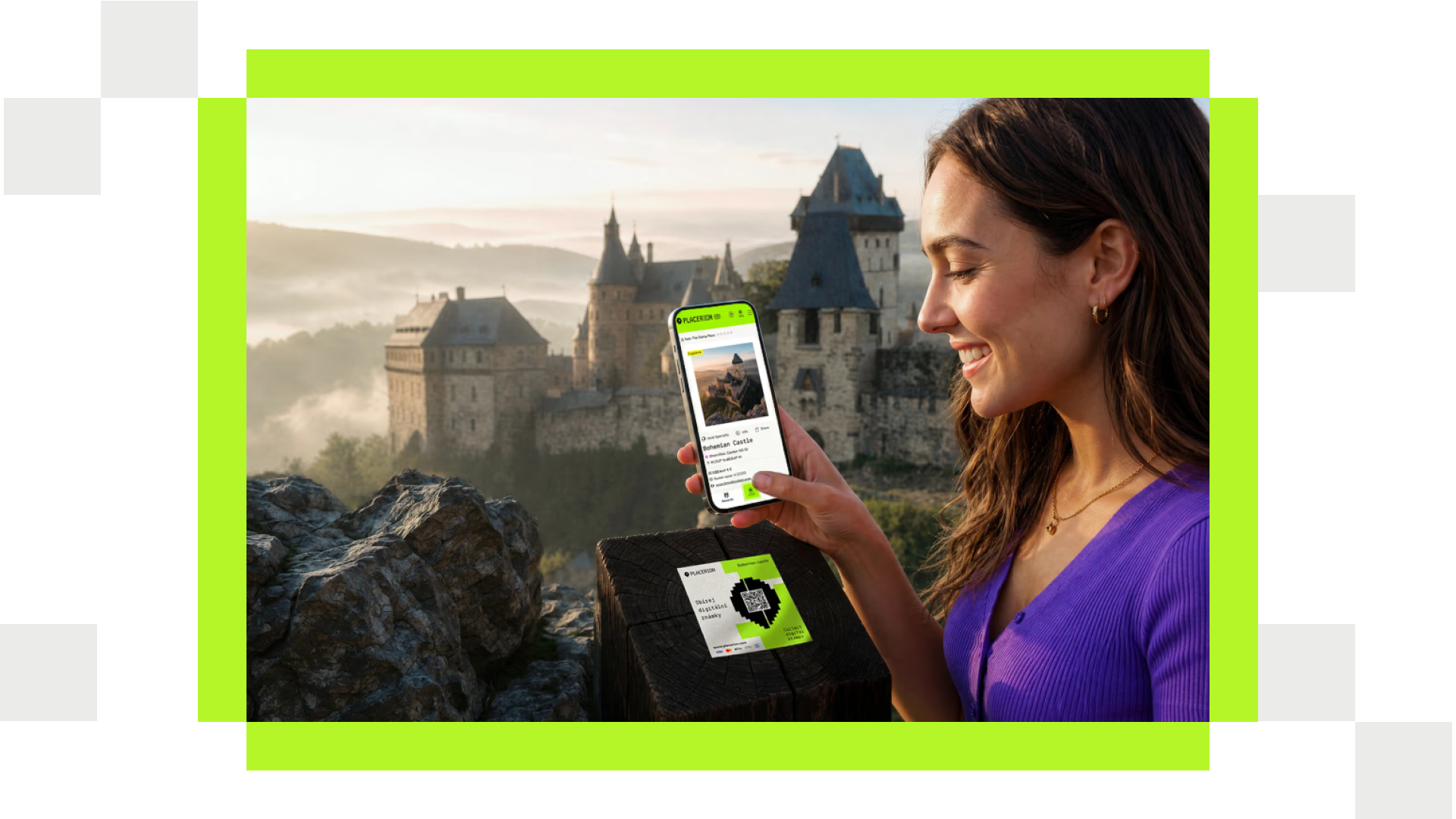
The first audience is tourists, not crypto natives, so the wallet stays out of the way. A new user scans a QR code at a location, signs in, and buys the stamp with a card through the standard checkout. Ownership, collection, photos, notes, and the bonus content all work without ever touching a wallet. The onchain layer sits behind a single "send to my wallet" action for the users who want it. We built the whole flow web2-first on purpose, because asking a typical visitor to set up a wallet and mint an NFT before they understand the product would kill the conversion the founder is trying to prove.

Deep dive

Designing the rewards engine

For users who do mint, each stamp becomes an NFT that earns. A share of every purchase across the platform collects into a monthly pool, and at the end of each month it is split among NFT holders by how many stamps they hold and how long they have held them, then paid out in USDC on Solana. Minting is deliberate. A purchase is recorded in the database immediately, but the rewards clock only starts once the user connects a wallet and mints.

Impact at launch

A web2-friendly collectibles app with onchain ownership and rewards underneath

Placerion launched as a full package. Design, development, testing, and deployment on CleevioX infrastructure. Collectors find real-world locations on a map, scan a QR code to claim a stamp, buy it with a card or in crypto, and build a personal collection they can annotate with their own photos and notes. Owning at least one stamp from a place unlocks a feed of news and bonus content from that location, the kind of ongoing connection a physical souvenir never gives you.

Full Delivery

Shipped design, development, testing, and deployment in-house, end to end.

Web2 Bridge

Card and wallet checkout behind one familiar flow built for non-crypto users.

Onchain Provenance

Geofenced metadata makes each stamp's authenticity verifiable.

Rewards Engine

Monthly USDC distribution to holders based on stamps held and holding time.

Let’s continue the conversation

You can either fill in the form on the right or contact us directly
By clicking Submit you're confirming that you agree with our Privacy Policy.
Thank you! We will be in touch.
Oops! Something went wrong while submitting the form.
Privacy preferences
Essential
Always active
These items are required to enable basic website functionality.
Marketing
These items are used to deliver advertising that is more relevant to you and your interests. They may also be used to limit the number of times you see an advertisement and measure the effectiveness of advertising campaigns.
Personalization
These items allow the website to remember choices you make and provide enhanced, more personal features. For example, a website may provide you with a contact to local sales executive relevant to your area by storing data about your current location.
Analytics
These items help the website operator understand how its website performs, how visitors interact with the site, and whether there may be technical issues.
Thank you! Your submission has been received!
Oops! Something went wrong while submitting the form.